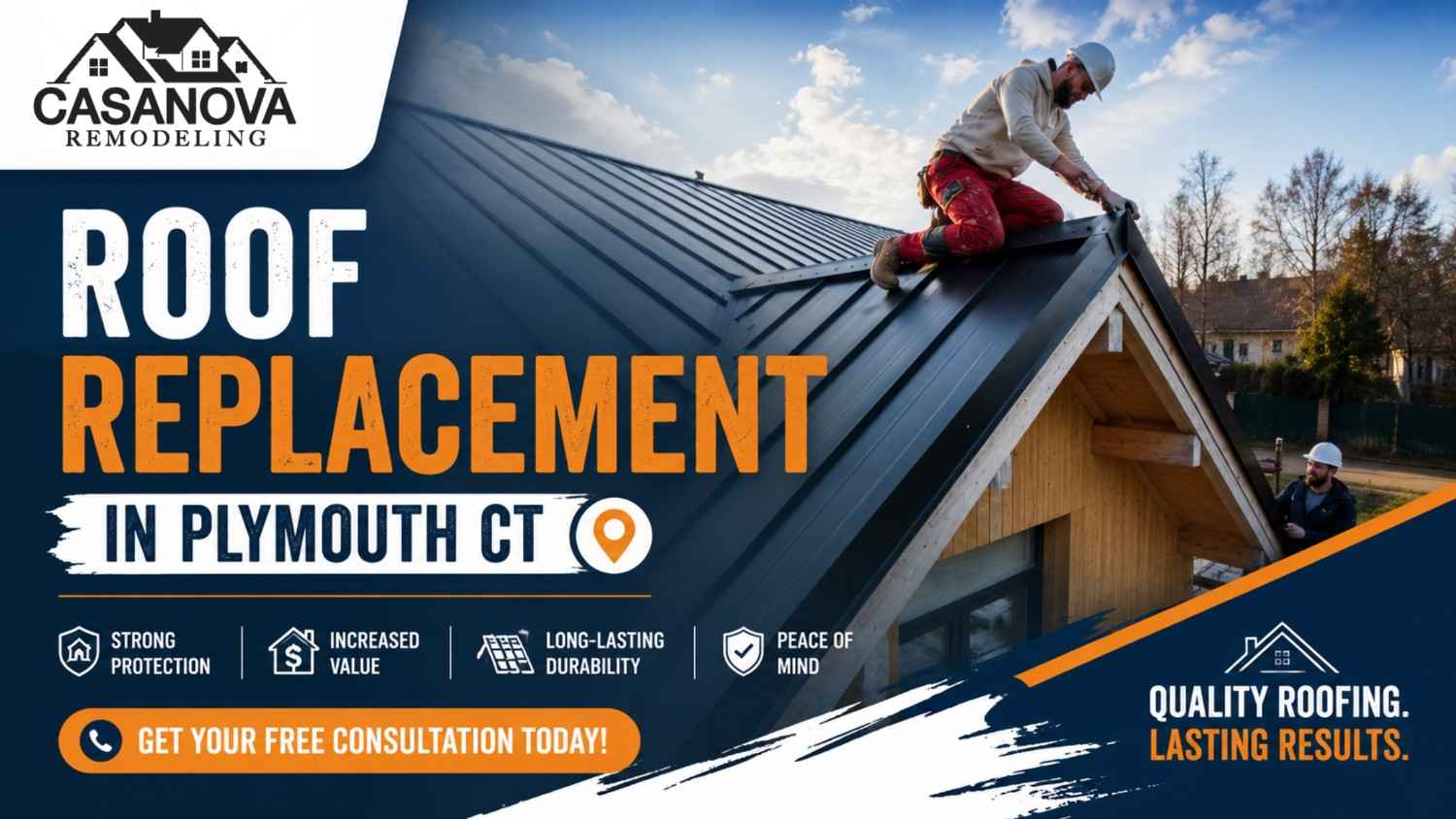
Expert Guide to Getting Long-Lasting Results From Roof Replacement in Plymouth CT
Posted by: RichieR Tags: no tags | Categories: Roof Replacement in Plymouth CT
26
A roof does more than just shield a home from rain and wind, it also helps with energy efficiency, keeps things comfortable inside and affects the whole condition of the property, kind of as a foundation up top. For homeowners thinking about Roof Replacement in Plymouth CT , honestly the idea is not just slap on a fresh roof and call it done.
You want to look deeper, like what material choice you make, whether the attic ventilation is handled right, how solid the installation quality turns out to be, how the flashing is treated and fitted, plus routine upkeep afterwards. All of that stuff, even the small points, affects how a roof performs as time goes by. This guide lays out the main factors homeowners should weigh before they kick off a roofing project .
1. Know When Your Roof Needs Replacement
Not every roofing issue is the kind that screams for a full replacement, you know? Sometimes the damage is kinda minor and it really only needs a focused repair , a targeted fix, not the whole thing. But when the wear is broad , like widespread deterioration, then replacement starts to make more sense as the better option, more practical overall.
Common warning signs include:
- Missing, cracked, or curling shingles
- Granules collecting in gutters
- Visible water stains on ceilings or walls
- Sagging sections of the roof
- Damaged or deteriorated flashing
- Frequent leaks after storms
- Excessive moss or algae growth
- An aging roof approaching the end of its expected lifespan
Age matters, but it should not serve as the only deciding factor. A professional inspection can reveal hidden moisture, damaged decking, poor ventilation, or other concerns that may not be visible from ground level.
For Roof Replacement in Plymouth CT, a detailed look-over can help decide if replacement is actually needed, and what kind of prepping the roof framing might require before the new materials go down. Sometimes it s not as simple as it looks,, and an inspection, helps catch those little things earlier.
2. Choose Roofing Materials Based on Your Home
Roofing materials have different lifespans, you know, different maintenance requirements and appearances , plus price points that can vary a lot. The “right” choice kind of depends on how the home is built, what you can budget for, what design preferences you have, and even your long term plans.
Asphalt Shingles
Asphalt shingles are still a pretty common choice for homes, mostly because they’re affordable, adaptable , and come in a lot of different looks. Architectural shingles in particular can give a more dimensional kind of feel too, not just the flat, simpler three-tab products.
Metal Roofing
Metal roofing has pretty solid durability and it can give you a long service life, but only when its installed the right way. You also get metal panels with different profiles and finishes, so it sort of adapts to a lot of residential designs.
Wood Shingles and Shakes
Wood product choices kind of give a special natural look, but you should still consider maintenance needs and the local conditions first. Otherwise it can turn out a bit different than expected, depending on where you are.
Other Roofing Materials
Slate, synthetic roofing , and other special materials can give a few pretty specific advantages. But structural needs and the hands-on installation expertise can vary a lot, depending on the setup and the site.
When it comes to comparing materials , homeowners should think about more than just the initial purchase price. A lower-cost option may not always turn out to be the best long term value. Things like service life, routine care , how it performs in real weather, the look or appearance, and even the installation requirements should get attention too.
3. Focus on Installation Quality and Roof Preparation
Even good roofing materials can end up underperforming if the installation isn’t given enough focus , you know like, tiny details matter. A proper setup, sort of the whole groundwork, is what helps a durable roof system hold together over time.
Before anything is installed, the roof framing and overall structure should get a careful inspection. If the decking is compromised or simply worn, it may need replacement before new roofing materials even go on. Flashing near chimneys, vents, skylights, and where roof planes meet , should also be handled with care , because those spots often turn into familiar water entry points, somehow regardless of what you expect.
Ventilation is another important consideration. A balanced attic ventilation system helps manage heat and moisture. Without proper airflow, excessive attic moisture can contribute to condensation, wood deterioration, and reduced roof performance.
Professional Roof Replacement in Plymouth CT should include attention to these underlying components rather than focusing only on the visible shingles.
A quality installation should address:
- Roof decking condition
- Underlayment
- Flashing
- Drip edges
- Ventilation
- Shingle or panel placement
- Fastener placement
- Roof penetrations
- Cleanup and final inspection
This complete approach helps reduce the risk of premature problems.
4. Consider Plymouth's Weather When Planning a Roof
Local weather conditions can sort of swing roofing performance. In Plymouth, homes tend to go through the year with different seasons, cold stretches , snow, wet rain, strong winds, and then those periods where summer heat gets really intense.
So basically, when choosing materials and planning installation methods, it helps to think about that seasonal wear and tear exposure. A roofing system really should manage moisture well, while still keeping dependable performance as temperatures keep changing.
Homeowners should also pay attention to drainage, because it kinda matters more than people think. Gutters and downspouts need to move water away from the roof and foundation in a pretty efficient way. If the gutters get clogged, the water can start to back up near the edges of the roof, and that may lead to moisture related damage over time or just generally make things worse.
Also ice and snow are something to take seriously during colder months. Good attic insulation and ventilation can help balance roof temperatures and lessen the conditions that usually help ice dams form. When this part is handled well, it can stop the buildup before it turns into a bigger issue.
A professional roofing assessment can help identify vulnerabilities before a replacement project begins. Addressing these issues during installation may prevent larger maintenance concerns later.
5. Why Professional Roofing Services Make a Difference
Roof replacement is more than just taking off the old shingles and putting on new ones. There’s the proper measuring, the way materials get handled, how flashing is installed, and also ventilation, safety procedures , and yes weather stuff that can matter more than people think. It takes real-world know-how not just theory.
Casanova Remodeling can assist homeowners in getting the job done with a more clear plan. Working locally is especially helpful, because roofing choices should match the property’s design, the typical regional weather patterns, and the usual building conditions you see around here.
A professional roofing team can provide value by:
- Inspecting the existing roof structure
- Identifying hidden damage
- Recommending suitable materials
- Planning proper ventilation
- Installing flashing correctly
- Following manufacturer installation requirements
- Maintaining safe work practices
- Completing a thorough final inspection
Clear communication also matters. Homeowners should receive straightforward information about the scope of work, expected materials, preparation requirements, and project timeline.
Trust comes from transparency and quality workmanship, not simply from a sales pitch. A reliable contractor should be willing to explain recommendations and answer questions before work begins.
6. Plan for Long-Term Roof Performance
A successful Roof Replacement in Plymouth CT should serve as a long-term home upgrade rather than a one-time expense. After installation, routine care and maintenance can help protect your investment.
Homeowners should schedule periodic inspections, particularly after severe weather. Early detection can prevent small concerns from developing into expensive repairs.
Simple maintenance steps can also make a difference:
- Keep gutters and downspouts clear
- Remove debris from roof surfaces when appropriate
- Check visible flashing for damage
- Inspect attic areas for moisture
- Watch for missing or damaged shingles
- Keep nearby tree branches trimmed
- Address leaks promptly
It’s also good to keep records of roofing materials, installation details, inspections and repairs, you know, kind of like the whole timeline. Proper documentation can make later maintenance much easier, and it might also give useful details if a warranty question comes up, or if someone asks.
A roof that gets the right attention can offer dependable protection for many years.
7. Make a Confident Roofing Investment
Picking a new roof really should be something you do with care, not like you’re in a hurry and just hope it works out. First, get a professional inspection, that helps you see the condition of the current structure , and what’s actually going on underneath. Then compare materials that truly make sense for your home, not just what looks good. After that , spend some time going over the installation details too, because the finishing work matters just as much as the shingles or tiles you choose. Only after all that , you can feel confident about approving the job.
If you’re a homeowner considering Roof Replacement in Plymouth CT, it helps a lot to work with a local remodeling professional who knows the area. Casanova Remodeling keeps things practical and clear, with solid workmanship, and recommendations that fit the property instead of forcing a one size fits all solution.
A durable roof begins with the right materials and continues with proper preparation, skilled installation, and regular maintenance. By considering the complete roofing system instead of focusing only on the visible surface, homeowners can make a more informed investment and enjoy dependable protection for years to come.